Tellus id nisl blandit vitae quam magna nisl aliquet aliquam arcu ultricies commodo felisoler massa ipsum erat non sit amet.
For the modern UK Fleet Manager, fuel isn't just a commodity—it’s a data point that dictates the viability of the entire operation. With fuel duty volatility and the stringent move towards Net Zero, the industry is shifting its focus. We are no longer just looking at "litres consumed"; we are dissecting the 'Fuel Gap'—the critical discrepancy between a vehicle’s theoretical efficiency and its real-world performance.
While Miles Per Gallon (MPG) remains the standard metric, it often fails to tell the full story. Leading global fleet consultants, such as Fleet News and Verizon Connect, argue that the "Fuel Gap" is where the most significant savings are hidden. This gap is caused by three main variables: driver behaviour, vehicle health, and environmental context.
By leveraging advanced CAN-bus telematics, managers can now see deep into the engine's telemetry. This isn't just about where the van is; it’s about how much torque is being applied and whether the engine is operating within its optimal "sweet spot."
The most sophisticated UK fleets are moving away from reactive policing and towards proactive behavioural engineering. Using data-driven insights, managers can identify specific inefficiencies:
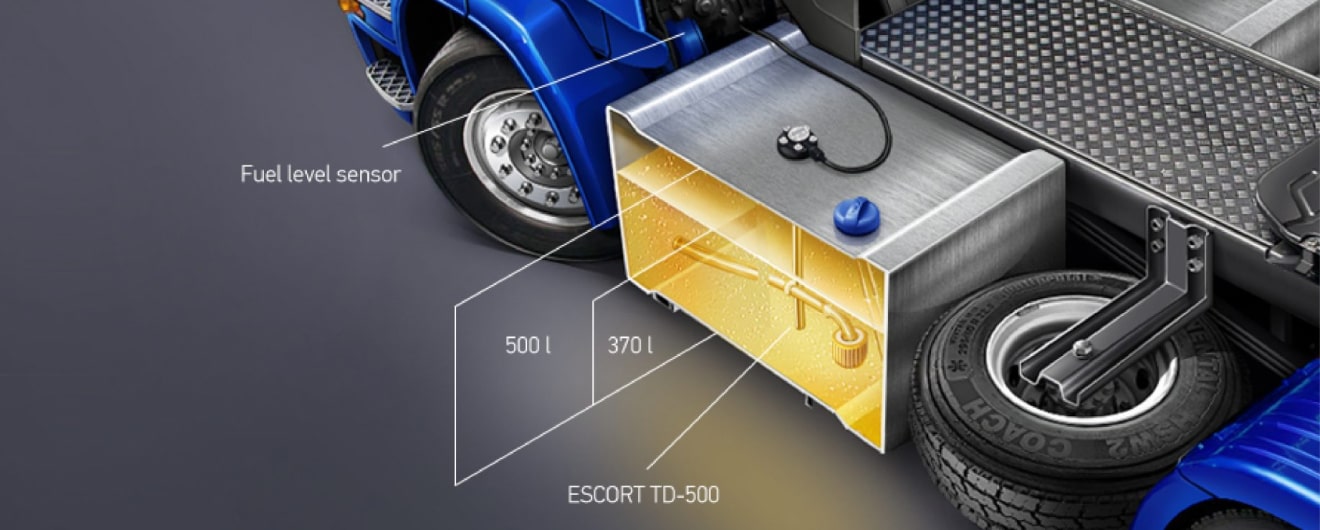
To achieve true Total Cost of Ownership (TCO) transparency, the integration of fuel card data with GPS telematics is essential. This creates a "closed-loop" reporting system.
A key insight from industry leaders like Geotab is the link between engine diagnostics and fuel burn. A vehicle with a slightly fouled fuel injector or under-inflated tyres might not trigger a dashboard warning light, but it will show a 2–4% drop in fuel efficiency in the data. Predictive maintenance allows Fleet Managers to service vehicles based on actual performance degradation rather than just fixed time intervals.
Fuel optimisation in 2026 is an exercise in precision. By focusing on the "Fuel Gap" through high-fidelity data, UK businesses can expect to see a reduction in fuel spend of between 8% and 15%, significantly boosting the bottom line while simultaneously reducing the fleet's carbon footprint.